
I have people ask me all the time so what is the hot thing in design. And then I think they really don’t want to know what the newest, hottest thing is they just want to know that what they like is ok. So I am going to say this: interior design is about the home owner, the business owner, the end user. Just because French influenced furniture and fabrics are really hot and trendy doesn’t mean that you have to go run out and change what is in your home or business to stay looking current. It also doesn’t mean that if you hate this style that you have to grin and bare it and go get yourself a settee so that you have the right look. Interior Design is about you the user, how you want to feel in the space, what your needs are and if it will work for you. Hey, all of us would make a lot more money if every season you changed your home or office to go with the trends but lets get real that is not how life works.
What is trendy, what is hot that is for the showrooms, the “runways” and the markets. Do we as designers get all gaga about them? Absolutely! When the new fabrics arrive it is like Christmas in my office. No one can wait to tear into them and see who can be the first to use the new designs. But true design is not about creating something that only lasts one season. It is about creating something that can be seen in any season or generation as beautiful and lasting. We as designers want to create an environment that is cutting edge but also classic in it’s appeal and duration. Not every design that we create will be for every person, and that is the way that it is supposed to be. We have to be like chameleons. If we have a contemporary client we need to slide into that mind set and give them everything we can. And if we have a traditional client we need to be able to switch mindsets and go from streamlined, low sitting metal and leather to tufted, nailhead, tuxedo backed sofas and wingbacks. This is our job! So if you ask me what is trendy I am going to say I can make anything trendy by listening to my client and creating their dream.
Now if you want to know what I am going gaga over here are some images in different styles that I love.

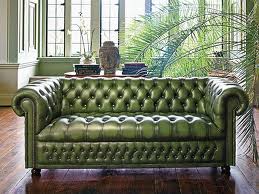 Tufting is so hot. No matter if it is a traditional look or contemporary tufting can change the look completely and make the mundane fabulous!

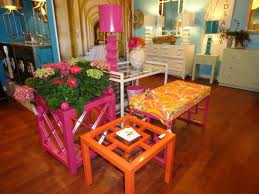

Using the fashion runways in Paris and Milan to influence the direction is awesome! I love seeing color used in unexpected ways.
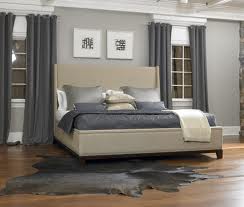
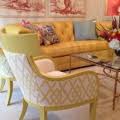
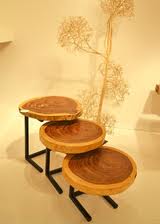
I love the use of grey tones to create elegance, unexpected fabrics on traditional styles and the all important nesting tables.
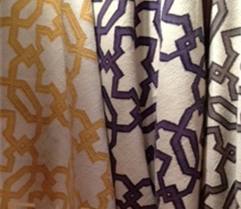
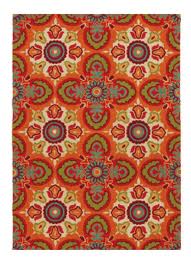
Patterns whether they are fabrics or rugs are so important and I love combining different patterns to create layes and depths to spaces.
So these are the things that I am I am in love with right now. I also want to hear from you. I want to know what you are going gaga over. What you want to see more of and what you want me to search out at High Point in the fall.
I had an interesting situation come up recently that had me thinking about how people view interior designers. I was reminded of a few things about the relationship between the interior designer and the client or potential client. The first is that an interior designer cannot be pushed on a person. There are some people that feel that they have absolutely no need for an interior designer. These people most of the time are really just afraid that the designer is going to do what they want and ignore the client. And I wish that this was a completely empty fear. I will say that if it is good interior design the fear is empty, however there are people in my profession just like in every profession who are not the best example of the business. Now there are also many times in which even this client that thinks they know everything really doesn’t know what they want. They probably have a great deal of pictures, and may have seen a bunch of different products that they like but they really don’t know what is tying the theme together. I have found many times that a client will bring me a photo and tell me that this is what they want, but when we go through the photo they don’t like the architectural accents, they hate the paint color and would prefer different furnishings. Now I know what you are thinking then how could they possibly cut out a picture and love the picture but not like the element in the design? Simple – they like the feeling that is created and the way that the photo was shot but not the actual design. This happens more than you would believe. And the number one culprit of this is the person who thinks that they don’t need a designer. And in the end will they be happy with the job – they may. Would they have been happier if they worked with a designer that got down to the bottom of why they wanted certain things and made sure that everything that went into the job was perfect for them – absolutely! But again this person cannot have a designer pushed on them. In fact the more that they are told they need a designer the more they resist and think of reasons as to why the know more than any designer would.
The relationship between the client and the designer is extremely important. The client needs to repect and value the designers opinion and the design must do the same in return. It cannot be a one sided relationship. And although you would think that having complete free rein on a job is the interior designers joy in many ways it isn’t. If the client does not provide feedback it can be a big red flag. Because there needs to be that meeting of the minds in which the designer knows that they have hit the right combinations for the client. And the client needs to be excited to see the project completed. There are times when the trust gets pushed, when the designer will suggest something outside of the clients comfort zone. These can be scary times for the client and if the trust is not there then the project could fall apart. But if the trust is there these outside of the comfort zones moments are going to be the ones that create the biggest joy for the client later when the project is complete. And interior designer is not hired to do what the lady down the street could do by going to their local home improvement store. An interior designer is hired to create an amazing space that is everything the client had in mind and so much more because they never could have dreamed of all the things that actually are created.
I get asked the question all the time is there a difference between an interior designer and a decorator? And the simple answer is yes. The main difference between an interior designer and a decorator is education. And interior designer is going to have a college degree in the design field, while a decorator usually does not. Now that does not mean that the only difference is a degree but that is where the basis for the difference is going to begin. Because a designer has a degree there are certain things that they automatically do for their clients that a decorator probably will not do. Interior designers will draw full scale renderings and space planning diagrams. These can be done by hand or with a computer program usually AutoCAD or Rivet. And many designers will use a combination of both the hand drawn rendering and the computer added drawing. For instance, I will do a hand drawn rendering for a space that I will be remodeling and furnishing but I will also do an AutoCAD drawing for any tile designs so that the installer has a clear scale drawing to order product from. This kind of work is extremely rare from a decorator since they simply do not have the background.
An interior designer will have the knowledge to read and draw blueprints. One disclaimer the blueprints will still need to be stamped by an architect and/or engineer. But the knowledge that the interior designer has gained through their schooling allows then to know how a building is constructed and what building codes need to be followed. This also gives the interior design the knowledge to understand a set of blueprints and know what can be moved or changed to an existing structure. Very few decorators have the full understanding of a set of blueprints and even fewer know how to draw blueprints.
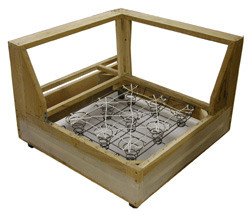
And interior designer knows and understands the construction of furnishings. When designers are in school they are required to take classes on the construction and history of furnishings. And most interior designers have at least once made a piece of furniture to complete their intricate knowledge of the product. Most decorators rely on sales people at retail furniture stores for their knowledge of furniture production.
Interior designers are trained in color theory and the psychology of color. Part of a design education is the knowledge and understanding of how to properly use color. This includes not only the best way to put colors together but also how the color combinations will effect people. An interior designer has studied what are the best colors for a productive work environment, to create an appetizing dining environment, and how to create a relaxing retreat. These skills are extremely important because how the space feels to the occupant is a major part of how it will function. Decorators usually rely on how they feel about colors when creating spaces.
And interior designer is concerned not only with how a space looks but how it will function. An interior designer understands that all good design must function properly. Form and function are one and the same with an interior designer. A decorator usually is more concerned with the overall look instead of if the end result functions properly. If you have ever heard someone say that the project is reminds them of the creator it was most likely a decorator that created it. Designers know that the design is not about them but the people that will be working in and living in the space.
Interior designers spend a great deal of time honing their craft through education. This education is what sets them apart form the decorators in the field. By working with a skilled interior designer you get their vast knowledge and skills that simply are not available to the common decorator. And considering that decorators are now charging the same as interior designers it is definitely worth the money to seek out the educated interior designer.
One of the first things that people think about when it comes to interior design is color, whether it is paint or fabrics it is always on the forefront of everyone’s mind. So lets talk about it. Interior designers use either a color wheel or the theory that comes from a color wheel to help create the right mood for a space. If you are unfamiliar with a color wheel it is simply a circle that shows where the colors fall based on primary and secondary colors. This will show you what colors are warm or cold, your complimentary colors, and what goes into each color. 
So what are warm colors? Warm colors are the colors that have a red/yellow base so they have a warmer feel to them. So this would include red, yellow, and orange for the primary and secondary colors. But it also includes all of the in between such as pink and lime green.
How about cool colors? These are going to be the on the other side of the color wheel – blue, green and purple. And of course everything in between such as aqua and magenta.
Now you may have noticed that some of these seem to overlap. Well in a way there are points in which they touch. The greens and purples can pull to either side depending on how much yellow, red, or blue they contain.
Now onto complimentary colors. These are the colors that are across from each other on the color wheel. These are the colors that create wow, pop, and tension when put together. These are red-green, purple-yellow, and orange-blue. If you notice these are some pretty popular color combinations. Red-green is probably best known for Christmas. Yellow-purple and blue-orange are well-worn sports uniforms. They are selected for the impact that they create. They do not create a calming effect but more of a “look at me”. These will also be the color combinations that get the biggest reactions, both positive and negative. For instance, I personally hate, yes hate the combination of blue-orange. I know, I know all the Gator fans around here in Florida are all upset. But really color is personal and is one area that creates the biggest emotional reactions. Do you have a color combination that drives you crazy? It may be because it arises a memory.

So what are typical color schemes that we use in the home? Well it is always going to depend on the client and how they want their home to feel. But there are some directions that one can go. There is the monochromatic look. This is a combination of different values of the same hue. An example of this would be light blue, spa blue, and dark blue.
The next scheme is mono plus one. This is exactly as you think a monochromatic palette plus one color. This could be created with whites and creams and a pop color of red.
The next common color scheme would be a multicolored. And again this is pretty self explanatory, but may be one of the hardest to get the right flow. This is the reason that I went into all the detail about the color wheel. Because to get this to work correctly you need to know if the colors will pull warm or cool and which ones you can mix together. Popular multicolored schemes are ones like red, gold, and chocolate or blue, green, white and chocolate. The reason that they work so well and have become popular is that they stay within the warm or cool palettes. And you may have noticed that the chocolate is in both combinations. This is because it is a neutral that can be a filler color to both warm and cool color schemes.
So if you are looking for an easy tool to help remember what colors mix the best think first about what mood you want to create. If you are looking for POP and WOW go with complimentary colors. If you want calm and relaxing then cool colors are for you. And if you want a rich passionate feeling then warm tones are your arena.
Have you ever heard an interior designer talk and wonder what they are talking about. I know we have those thoughts about our accountants, doctors and lawyers but what about our designers. Do our clients just smile and nod theirs heads in agreement because they are afraid to ask what we are talking about? So I have been thinking this morning that there are some terms that I use on a regular basis that maybe not everyone is familiar with or how it applies to interior design.
The first word that I use regularly is balance and it is usually used with the word scale. These seems like normal everyday words but how do they apply to interior design? The definition of balance that applies to design is: a counterbalancing weight, force, or influence. So when we talk about making sure that a room is balanced we are talking about the weight and scale of the furnishings along with positioning to make one feel comfortable in the space. If a room is out of balance then the people inside the room will feel uneasy and possibly anxious. Now above I used the term weight, that does not actually mean that we are going by the amount a piece of furniture weighs but on the impact that it has. A piece of furniture can be small in size but add a lot of weight to the room based on the color, fabric or material that it is made from. And this is where scale comes into play. When we are talking about scale we are talking about the size and impact that a piece of furniture, artwork or architectural detail has on a space. So for instance if we have two large wing back chairs on one side of the room we need to balance the space with another piece of the same weight and scale. This does not mean that we need two more large wing backs, just that whatever furniture is opposite them needs to be larger in size, have a large pattern, or have a darker fabric. A small hand carved rocker would not work in this case.
The next term that I use a great deal is juxtaposition. The definition of juxtaposition is: the act or an instance of placing two or more things side by side. When it is used with interior design it usually has a connotation of mixing two seemingly opposite pieces together. For instance, I like the juxtaposition of a contemporary room with a traditional area rug. They are being placed together and would not be the initial thought of things to put together.
Another necessary term in interior design is flow. This word is used to describe the feeling a space has but also the way in which one moves through the space. We always want the space to flow. Meaning that it works well with the spaces around it. Such as bringing the outdoors in, or the adjoining rooms, or even the architecture. When a good interior designer designs they need to make sure that the flow is in balance with the structure and the enviroment. When we use the term flow to discuss how one moves around the space we are talking about traffic patterns. A well designed space has to make sense how you move in the space. We want people to fell welcomed into the space not put off by it. If the walls or furnishings are placed in the correct manner then the occupants of the space will feel comfortable, however if they are not placed properly not only will it create a bad feeling to the space but also it will lack in function. Form and function must coexist they are not mutually exclusive.
So now you know what we are talking about when you hear us jabbering about balance, weight, scale, juxtaposition, and flow. These are the basis for good design, although there are other terms if you know the meanings and usages of these you will be able to hold your own with any designer.
So in our internet savy culture people are buying everything online or in a big box store (that they have researched online). The feeling is that I can watch HGTV or DYI or even search the “how to” online and I now know as much as the professional interior designer. I’m going to tell you that window treatments can be a lot more that just measuring and ordering. The first reason that you want an interior designer to do your window treatments is that we know what is going to work best in your home. We are going to talk to you about how you use each room, what you need out of the window treatment and what kind of treatment is going to work best. For instance you may think you just need blinds well there are many different kinds of blinds. There are vertical blinds that can be made from PVC, fabric or metal. They can be manually operated with or without a continuous cord loop, or they can be powered and operated by remote that can be hardwired or battery powered. And that is just one kind of blind there are wood blinds, faux wood, cellular, and mini to name a few. But what if you were really thinking that you wanted a shade and not a blind. What is the difference between a shade and a blind? When do you use a shade and when a blind? And when it comes to shades there are Roman shades hobbled or flat, roller shades, woven woods, and on and on. And we haven’t even touched the topic of shutters, drapery, cornices, or valences. Are you getting the idea that there are a great deal of options and that they all have a different use and function?
Window treatments are the finishing touch that every home needs but not every home needs the same thing. And in this buy online internet big box store life that we are leading now we need to remember that just because you can buy it online or in the big box store doesn’t mean that you should.
So let’s say that you are more educated than the normal consumer and you know the difference between all the types of window treatments and where to use the correct type. Do you know the difference between the brands? Do you know which brands are made by which companies? Do you know what is being used to make the treatment? Do you know how to properly measure your windows for the right fit? Do you know the deduction that has to be taken for an inside mounted treatment? One of the things that I have run into over and over again in all areas in the design field is that really low bid. That is just way below what could even be feasable to make the product let alone deliver it and install it. And I hear the same response every time from the client “but it looks exactly the same”. It may look the same. It may even be sold to you as the same but I can pretty much guarantee it is not the same. Fabric mills will make the same patterned fabric in different thread counts for different companies. So for instance I can show a client a fabric that I know wear tests for 30,000 double rubs. Well they might find that “same” fabric online but at half the price made by a different company. Guess what it is half the quality. That “same” fabric that was found online only wear tests for 8,000 double rubs. Now you may say that’s still sounds like a high rub count but in reality it’s not at all. That fabric is one that I would expect to be extremely delicate and would only use on something that was not going to be moved or touched. Where the fabric that I had could be used on a piece of furniture that could last a lifetime. That’s a big difference! Especially when is comes to draperies or shades that are going to be opened over and over again. You may have paid half the price but you are going to get a quarter of the use out of the product.
Then there is installation and guarantee. When you work with a professional we are going to make sure the product is properly installed and that it is going to function as promised. You have a licensed and insured person installing the product. If there is a problem there is a real live person there to either fix it or replace it. Not a phone number to call and argue with a customer service person that has no idea what you are talking about because they are not paid to know about the product. Who can only say “I can send you a return mailing tag and once we receive the product back we will determine if there is a defect and if we can refund your money”. Does this sound familiar?
When you deal with an interior designer you can have the peace of mind that the window treatment is going to be the right one for you and your home. That the treatment is going to be of higher quality and will last longer. That the treatment will be properly installed. And that of there ever is a problem there is a professional there on had to take care of it properly.
Recently I have been asked the same questions again and again about lighting so I thought I would take a little time and blog about it. The first question that I usually get is how many lighting does each room need and where is it supposed to be located? Well times have changed and the old school of thought on interior lighting that recessed lighting was only for the kitchen and never to go in bedrooms has changed. People want ease of use and the ability to see when they walk into a room. So I firmly recommend three sources of light in each room. Now the source of light will change based on the room but this is a good basic rule of thumb. So if we are talking about your kitchen the three sources that I use are recessed, pendant and under cabinet. And of course they should always be on their own switches. This way you can use them together or separately but you never have to have them all on. The recessed lights give you function, the pendants give you form and the under cabinet lights set the mood.
 Now if we are talking about the living room or family room then your sources of light will be recessed, ceiling mount/ceiling fan/chandelier and table lamps. Recessed for function. The center ceiling fixture can be one of the options of ceiling mount/ceiling fan/chandelier. I give these different options because based on where you reside you will have different needs. Here in Florida we do a great deal of ceiling fans because of the heat in the family room, but will do a chandelier in the living room to give a more formal appearance. As for table/floor lamps every room except the kitchen need these. They do not have to match like used to be the standard but they do need to compliment each other. And scale is very important! If you are putting a lamp on a large end table the lamp has to have enough weight and mass to balance the table. And the same goes for if you are using a small table. The lamp cannot take up all of the space on the table top. If the table is too small for a lamp then this is the time for a floor lamp. Which will add a depth to the room by adding another element to carry the eye around the room.

 Here are two different ways to address the need for ceiling lighting one for function and one for decorative impact. If you also notice on the image on the right there is also decorative sconce lighting on either side of the painting to not only add lighting to the room but to highlight the painting and bring the ceiling sculpture lighting down into the room.
Dining rooms are a little unique in that they don’t necessarily get three sources of lighting. But the main thing to remember about dining rooms is that size really does matter! If the chandelier over the table is the wrong size it is going to look awful no matter what else is in the room. So how do you know you are selecting the right size? Rule of thumb the diameter of the fixture needs to be at least half of the width and length of the table. And if you are have a really long table then use two fixtures! There is nothing worse than a too small chandelier over a huge table.

 Now for bedroom lighting. There needs to be ceiling lighting. No more of this the only source of lighting is at the nightstands! You need to be able to walk into the room and turn on a light. Even if the table lamps are connected to the switch they still are not enough light for the room. You can still have mood lighting with the table lamps but with the larger bedrooms that we are building now they are just not enough to properly light the room. And with the additional lighting you will have a better resale value. Now if you have a large master bedroom with a tray ceiling you need to have lighting in that tray ceiling! This gives you mood lighting and accents the architectural feature. And if you have gone to th expense of adding that kind of feature you need to highlight it.
So if you are only going to remember one thing about lighting let it be the rule of three: function, style and mood. And remember if you have questions ask an interior designer. The cost of the consult is worth not making a mistake!
Have you ever wondered what the difference is between the interior designer that you hire and one that you get at the high-end furniture stores? Have you ever thought why should I spend extra money on a designer when they are going to give me one to work with? Well I am going to get in trouble here but I’m going to tell you why you actually save more by hiring an interior designer. First thing the interior design at the big furniture store works for the furniture store. Their first concern is for that store. They are being paid commission on what they sell to you. So, the more they sell you the more they make. Also since they work for that store they are not able to use companies outside of that store. So if another company makes something similar for less money or better quality you are not being offered the better product.
Ok and here is the part that the furniture stores don’t want you to know – the mark up on the product is on average between 2.5 – 3 times the cost of the good. Yes you read that right. If the chair cost the store $300 they are selling it to you for $750 – $900. They have to put that kind of mark on it to cover their overhead from the store, the warehouse, the staff and of course to pay the designer. So if you are redoing your entire home or furnishing a new home you are paying a lot more than you need to.
Now if you hire an independent interior designer they are not set on only using one company they can work with all different companies to get you the best product available at the best prices. So let me give you an example; if you have a room to furnish and you go to the high-end furniture store and you purchase a room of furniture costing about $15,000 for furniture and an area rug. The real cost on the furnishings is between $5,000 – $6,000. Now if you hire an independent interior designer yes you will be paying them a separate design fee which at the going rate of $150/hr you are looking at a retainer between $1,000 – $2,000. But you are going to buy the furnishings at wholesale so that $15,000 probably just came down quite significantly. And on average you probably saved 40% off using the “free” designer at the store. That designer doesn’t seem so free anymore does it?
And here is the other thing to remember because the independent interior designer is not getting paid based on how much you buy you may find that you don’t need as much as the store designer says you do. Now I am not saying that the in store designer is going to do anything unethical but you may not need those $600 pillows when there are a pair of ready-made ones sitting in another store.
So before you furnish your home remember you can stop expensive mistakes and save money by hiring your own interior designer.
Have you ever looked around your room and wondered why it doesn’t seem finished? It probably is just missing one small finishing touch. If it’s a kitchen it could be the wall color. In your bathroom it could be the backsplash. In your dining room it may just be the right center piece. So how do you know if it is just that one finishing touch or more that is needed to complete the room? Well here are some simple questions to ask yourself. Do the walls add a nice contrast to the cabinets and furnishings? Do you see wall between your counter and cabinets? Is the tops of your cocktail or dining table bare? Are your windows naked? These are all signs that there are some simple finishing touches needed.
Adding a decorative tile to the backsplash of your kitchen or bathroom will take the room from blah to fabulous. If this is the area where your room is lacking you want to look for a tile that will highlight your style (contemporary, traditional, transitional) and make your cabinets and counters pop. Right now glass tiles are really popular along with combination mosaics. For instance metals mixed with stone and glass create a real wow factor.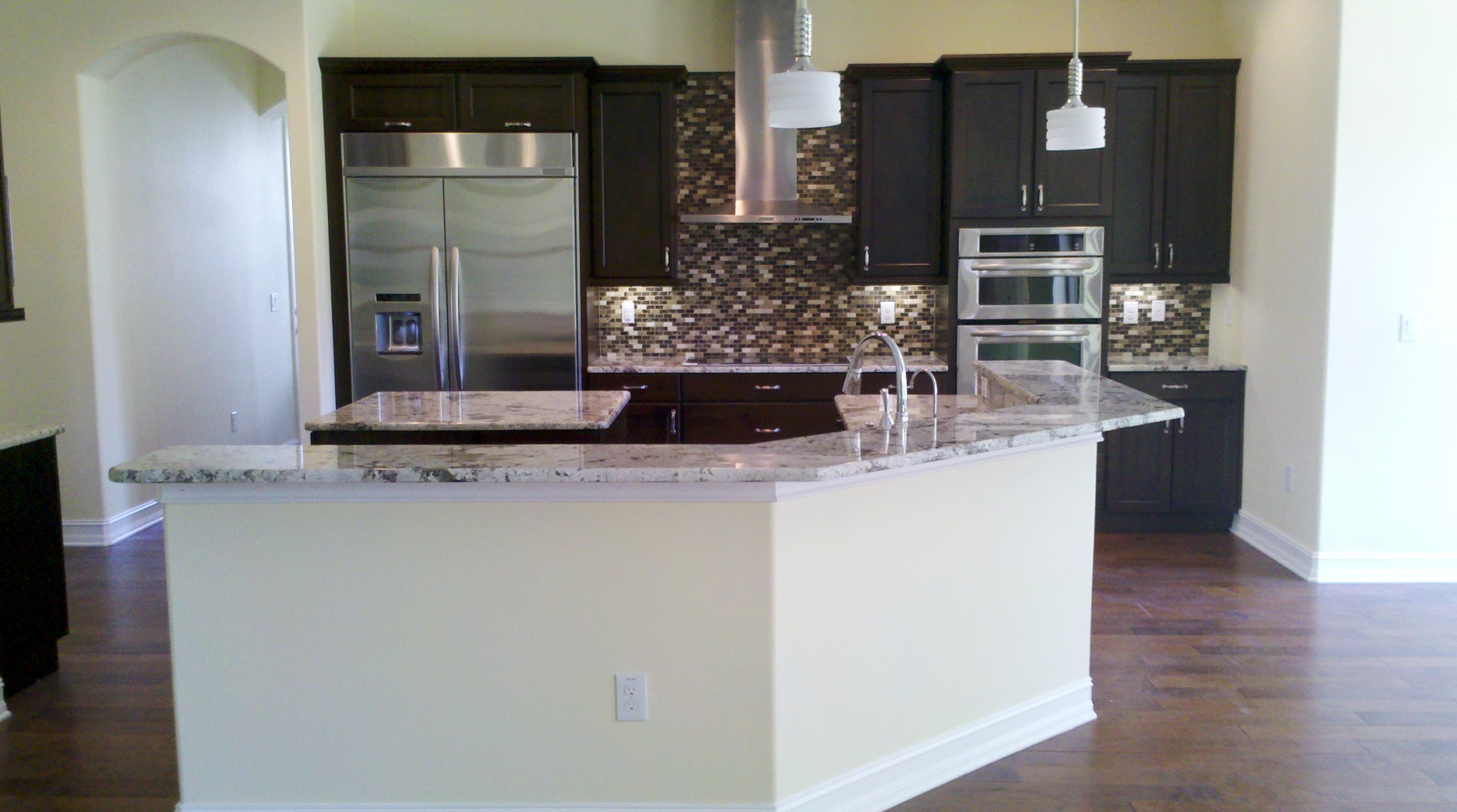
If your furniture could fall into your wall then you need a new paint color on that wall. In this case you want to make sure that you stay with either the warm or cool colors that you already have in your room. To give a real drastic change yu can take the darkest shade that you have in the room and put that on the walls. So if your furniture is cream with chocolate-brown pillows you would use that chocolate-brown. For a more subdued change you can take the main color from the room and use a light version of it on the walls. So if you have navy blue as your main color you could select a sky blue in the same tone.
And the last easy finishing touch is to add a floral arrangement to your cocktail or dining table. I prefer to use either fresh flowers or really high quality silk arrangements. The fresh flowers give you the option to change out the flowers with seasons. While the silk arrangements will always stay beautiful even if you can’t remember to maintain them. But please if you are going to go with a silk arrangement please make sure that it looks real there is nothing worse than that floral arrangement that looks like plastic.
So try these simple tips to add that finishing touch to your room. And remember that if you realize that you are needing more than a simple update an interior design will help you make sure that you are getting the look you want without the costly mistakes.
We have all had those days where we look around our home and realize that we really want to freshen it up but don’t want to spend a whole lot of money or time to do it. Well there are a few things that can be done quickly, easily and inexpensively.
The first easy quick fix is to create flower arrangements. First fresh flowers will automatically brighten the atmosphere in the home. Flower arrangements are not for just the dining room table. They can go in the kitchen, bathroom, entry, on scones and in bedrooms. Isn’t it nice to see beautiful flowers first thing in the morning? Or how about when you first walk into your home? Pick a color of type of flower and create the arrangements around the color or flower. For instance if you want to accent your home with white you could use white calla lilies, white roses, carnations, daisies, baby’s breath and jasmine. Each arrangement could have all of the flowers you selected or just one or two, then as you change rooms you could change flowers. As an example the entry could be calla lilies, the kitchen daisies and the bedroom roses. Another way to do it would be to use only one type of flower but all the different colors. If going this route then the entry could be multicolored calla lilies, the kitchen yellow and red calla lilies and the master red and white calla lilies. There is really no wrong way to incorporate your flowers just use them and make sure to change the water in cut flowers on a daily basis so that they last as long as possible.
The second quick and easy fix is to change the fabric on your dining chairs. If you have simple seat only cushions on your dining chairs this is really easy. You don’t need an upholsterer to do this. Simply find a fabric you love, and you don’t have to spend a lot on the fabric. You can find remnants at your local fabric shop, or call your local interior designer to see if they have any leftover fabrics. A dirty little secret in the design business is that there is always leftover fabric. When we are making window treatments and bedding we have to order enough for the repeat to match so sometimes there could be a yard or two left over. I know I am always happy to help out a client with these remanent fabrics and will sell them at a very discounted price. Now that you have your fabric simply unscrew the pad from the chair. Lay the pad on the fabric and cut around it leaving about 2″ larger than what you need to cover the visible parts of the cushion. The all you need to do is wrap and staple the fabric. Re-attach to your chair frames and you have a whole new look!
And the last quick and easy fix is paint. This can be painting a wall or a piece of furniture. To freshen a room creating an accent wall will add a wow factor. If your room is in dark tones go with a light accent. If you room is light find a dark accent color. The easiest way to determine an accent color that will coordinate with your existing color scheme is to use your paint fan. Find your color and if you are dark to begin with go three steps lighter. If you are light the go three steps darker. This will refresh your room and make it look like a brand new room. If you choose to paint a piece of furniture find one of yours that is an accent and doesn’t other pieces. Great options are hallway chests, accent tables and mirrors. Just remember to sand the piece first and don’t choose one made from plastic or resin.
Now you have the tools so get going on freshening up your home and putting a smile on your face!
I get questions all the time about what is the “right” design for a space. And although that sounds like it should be an easy answer for an interior designer, the question is not as simple as it seems. The “right” design is all about who is using the space. When designing, my designs cannot just be about what I want to see in a space. If that were the case every home or office could be designed in exactly the same manner. But as we all know not everyone can function in the same home or office as their neighbor, friend or family member. A family of four needs different things than a family of six or an empty nester. So the “right” design has to be a design based on the user of the space. So here are some questions that I ask my clients when we meet so that I can create the “right” design for them.
What is going to be the main use of the space? This is important because we need to know what kinds of furnishings, electic, water, storage etc that need to be incorporated into the space. Once we have this information we can move onto the next question.
How many people are going to be using the space? We need to know this for traffic patterns and seating. This question can lead into two other possible questions; what are the ages of the people using the space and do you plan on entertaining in this space? Now if this is an office or similar space these questions may not seem relevant. These additional questions are for more of a residential application. However, they would apply to a common space in an office building. The answers to these questions help us in furnishing the space correctly and also making sure that we are meeting proper building and health codes. For instance there may need to be wheelchair access, or child safety measures taken.
What is the lifestyle of the users of the space? This question lets us know how much use the space will get and if we need to take into account specialty products. For instance, a homeowner that always wants the windows open could have fading issues with regular fabrics and a sunbrella style fabric would suit the application better.
How do you want the space to feel? This may seem like a weird question, but it is so important. For an office we may want the space to be productive, display an image of authority, or maybe cutting edge. For a home we may want the space to be happy, relaxing, or cozy. All of these feelings require different designs.
Are there any colors that you hate? Most would think that I would want to know what the client likes first. But what the client doesn’t like tells me so much more about them. And also if all the above questions have been answered I am well on my way to knowing what the client likes.
Do you like straight lines or curves? This is a great way for my to get to know the clients style even better. Most people do not know what is contemporary, or traditional, french country verse english country, spanish mediterranean verse italian mediterranean and so on and so on. By asking a more direct question and combining the answer with previous answers I can get a better picture of the clients style.
These are just some of the questions that need to be answered to be able the create the “right” design for a client. So as you can see the answer is not so simple since the question is actually much more complex than most people think. Once I have the answers to these questions and more I can create the “right” design for my client, giving them a space that not only looks fantastic but functions properly for them.
So you have decided to build a custom home. This is a huge decision and the first of many decisions to come. The first step that you go through is deciding how large the home should be, how many bedrooms, bathrooms, how many stories, great room or family room, etc. This is the starting point and if you don’t know what you want this can be where the overwhelming frustration can begin. This is where I work with my clients to find out how they plan on using the home. Is it a family home where the most important thing is that everyone is comfortable? Is it an entertaining home where the kitchen and main rooms are the most important and need to be able to comfortably fit larger groups of people? Are you looking for that gourmet kitchen? Do you have children, and what ages? Are you and empty nester? All of these lifestyle questions are the most important information that your interior designer, builder and architect can know. The answers to these questions determine the style and layout of your new home. They also help to tell me what kind of products need to go into the home. If you have pets or kids I know that we will have to deal with fur, finishes that don’t scratch, and cleanability. Where if you are an empty nester we can use products that require a little more maintenance because there will not be as much wear and stress on them.
So now that we know your lifestyle and the floor plan of the home we need to decide what goes into the home. This is where we start to give the home real character and warmth. What tile or stone, wood or carpet or do we combine some of each. Do we want a more contemporary look with stainless steel and chrome or a more traditional look of oil rubbed bronze. The design necessitiy here is the proper flow. If you go with traditional we need to stay traditinal throughout the home. If you go contemporary then we need to stay contemporary. That doesn’t mean that we can’t throw in touches of whimsy but on the whole once a style is decided on it needs to be the basis for the entire home. Without the proper flow the home will continuously be out of balance and at odds with itself. This does not mean that you have to have the same tile throughout the entire home or that you can use only one paint color, but it means that each space in the home must tie back into the other spaces. This also means that if you decided on a coastal, Key West style home that rustic oak floors would be in conflict with the architecture of the home, creating poor flow for the home. A home needs to be in harmony with every aspect and detail that goes into and outside a home. This is what your interior designer is for. This is the person that helps you edit properly. Just because you like a bunch of different styles does not mean that they all work together. This is where I work with my client to find out what about those styles that they like and how I can interprete that feeling in a manner that works with the overall style of the home. This could mean finding contemporary moroccan lighting to go in the spanish mediterrean home so that the client can have the updated look while giving a nod to the tradition that inspired them. This may also mean finding the right accent tile that ties everything together. Sometimes it’s a fabric that is the inspiration and what will be the driving force for flow and balance. Whatever it is that your designer has been able to find to help be that inspiration it is now time to feel that inspiration throughout the home.
That’s right we are onto furnishings and finishes. Again the design necessity is the flow and balance. So if we are back in that coastal home we are looking for furnishings using the ocean as inspiration. That equals seagrasses and jutes, ocean colors, textures that remind you of the summer sun and beach grasses. Fabrics that bring simplicity to mind, light denims and stripes, cottons and linens. For the spanish mediterrenean home its large scale pieces with straight lines, heavy woods and clean stones. It is large amounts of contrast with highlights to the high ceilings. It is clean lines offset by intricately detailed accents. It is monochromatic color schemes with pops and twinkles. It is a feeling of standing on the Spanish coast and feeling years and years of history and people before. It is tradition and innovation at the same time.
This is where my job as an interior designer is to dig deep into my clients soul and find out where they go to for their “happy place”. It is finding what satisfies their being and nutures them to be able to step into each day ready to face the world. It is creating the place that they yearn to come home to so that the day can fall away. The number one design necessity is finding the soul of the home. Finding and knowing how to create the dream and wish that lives deep within the client. I know some of you are thinking it’s just a house. But when you are building a custom home you are building more than just a house. You are building a home that with the right combinations will not only give you shelter but nuture your soul. It will give you peace of mind and security.
Recent Comments